




Staying Organised All Year: 8 Practical Tips for Busy Parents & Kids in Singapore
Staying organised isn’t just about neat desks, it’s a life skill that helps children succeed in school, reduce stress, and feel confident every day. For many Singaporean parents juggling school cycles, extracurricular activities, and homework deadlines, having a strong organisation routine makes life smoother for both you and your child.
In this post, we share practical, easy-to-apply organisation tips for kids and families that help make every season: exams, CCA, school holidays more manageable.

1. Build a Consistent School Routine That Works
Children thrive on structure. When they know what to expect every day, they feel more secure and settled, especially during busy school terms.
A simple morning and evening checklist can include:
- Picking school uniforms and shoes the night before
- Packing school bags together
- Setting homework time and a bedtime rhythm
Consistent routines help reduce morning chaos and ensure no essential items (like homework folders or water bottles) are left behind, a small effort with big impact. Utilise our AcePak! backpack with our integrated to-do list and timetable to better organise school routines.
2. Assign a “Home Base” for School Supplies
An organised home setup boosts focus and reduces last-minute scrambling.
Make these spots:
- A designated homework desk or corner
- A bag and shoes area near the entrance
- A shelf for books, stationery, and exams folders
When everything has its place, children can independently get ready for school and homework, without repeated reminders.
3. Use Visual Tools and Checklists
Visual tools like checklists, calendars, or charts help kids take responsibility for their tasks.
You could create:
- A weekly chores chart
- A homework tracker
- A monthly school calendar for tests and events
Visual reminders work especially well for younger learners and help them remember responsibilities without constant prompting.
4. Create a Dedicated Homework Time & Focus Zone
An organised routine includes when and where kids do homework.
Tips for success:
- Choose a quiet, distraction-free zone
- Keep stationery and books within reach
- Set a consistent homework time each day
A dedicated homework routine helps children switch into “focus mode,” especially during heavy academic weeks.
5. Schedule Weekly “Reset” Moments
Organisation is ongoing, and a quick weekly reset helps keep clutter from building.
Try:
- Clearing school bags on Sundays
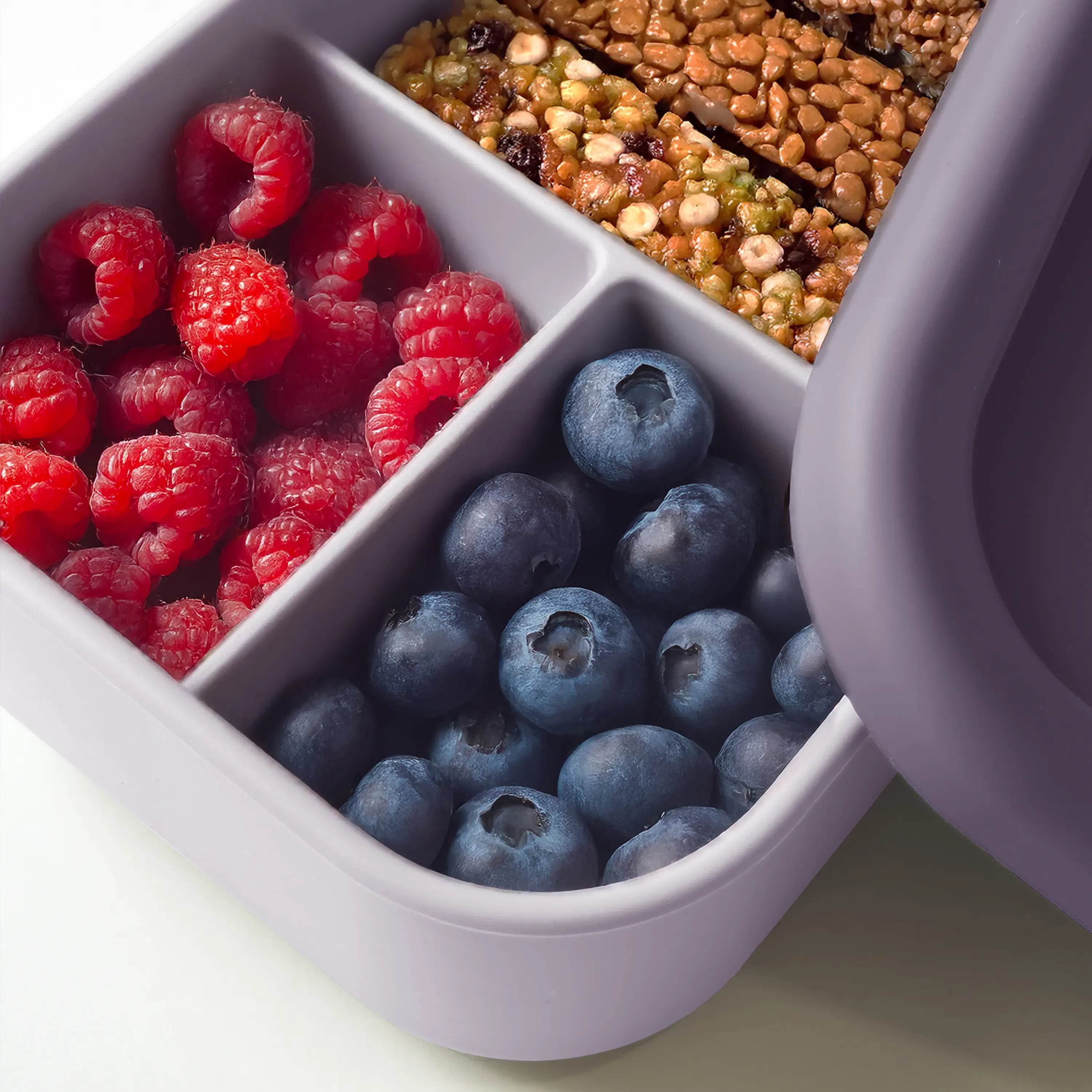
- Washing and preparing water bottles and lunch boxes
- Filing away returned school papers
A short, regular reset builds order and saves time in the long run so Monday mornings feel calm, not chaotic.
6. Break Down Big Tasks Into Bite-Sized Pieces
Large tasks like project work or exam revision can feel overwhelming without a system.
Help kids:
- Break down projects into smaller steps
- Set mini-deadlines for each piece
- Use planners or whiteboards to visualize progress
This method builds planning skills and reduces last-minute stress.
7. Teach Responsibility & Independence
Organisation isn’t just environmental, it’s also behavioural.
Encourage kids to:
- Pack their own bags with supervision first, then independently
- Check homework lists before bedtime
- Put away supplies after use
Over time, these habits foster confidence and independence in managing school life.
8. Lead by Example: Stay Organised as a Family
Children learn by seeing; and when parents model organisation, kids usually follow suit.
Share routines like:
- Family calendars for activities
- Shared checklists for all family members
- Weekend planning rituals
Your example normalises organisation as a helpful life skill, not just a chore.